Reach first, then approach width
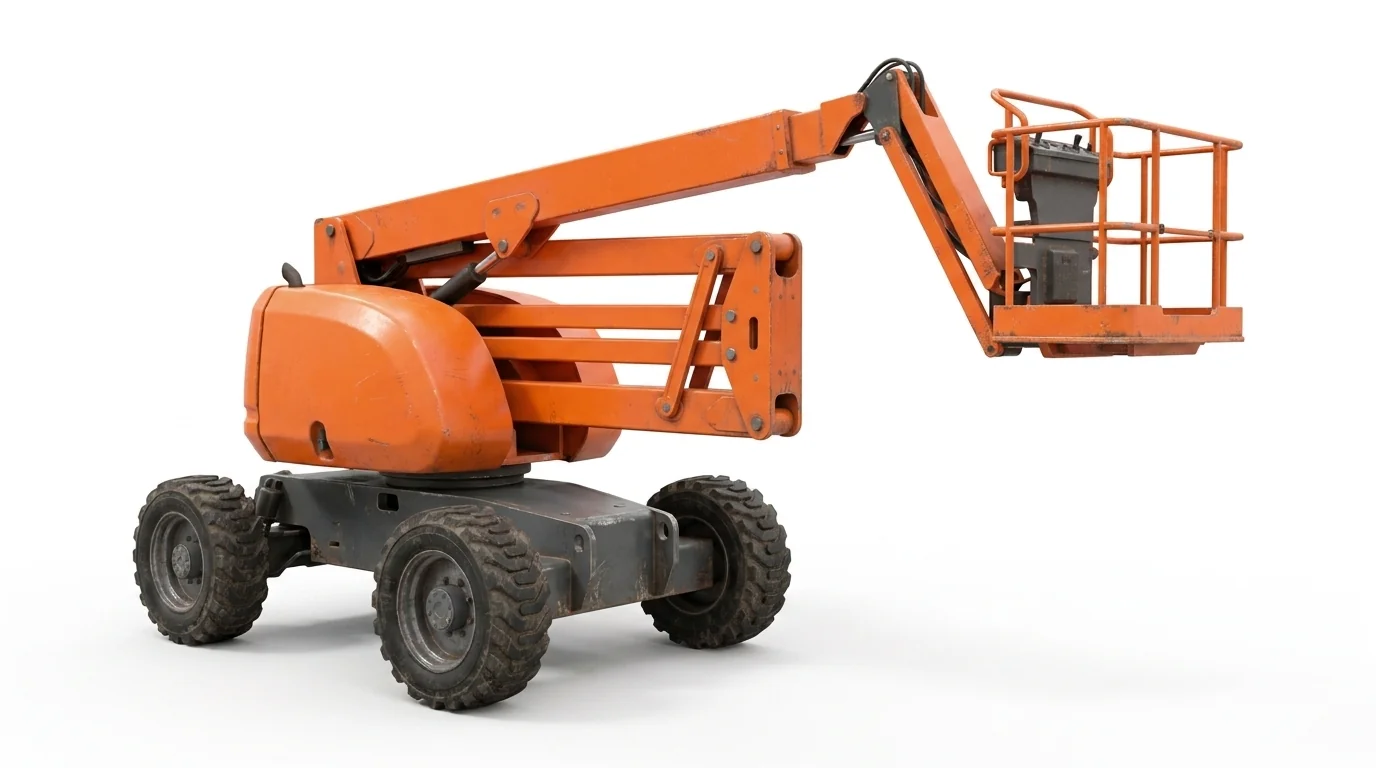
Telescopic booms extend in a straight line and shine where the path to the work is open. Typical use cases include steel erection, façade panel setting on wide setbacks, and maintenance over parking or landscaped buffers. If the route is clear and lateral reach is the constraint, start with a straight boom comparison.
Local surface considerations
North Texas clay soils and frequent cut-and-fill grading around new industrial sites can leave uneven or recently compacted ground. That influences: - Choice between rough-terrain configurations for exterior pads versus slab-rated units for finished concrete. - Tire type and allowable travel paths from laydown to final position.
Spring storms can halt exterior work quickly. Staging near indoor storage reduces exposure to hail and high winds. Actual conditions, the unit’s instructions, and site procedures govern all elevated work.
Measurements that narrow the field
- Horizontal reach to the work face across setbacks or retention areas.
- Working height to clear parapets, lighting standards, or equipment rooms.
- Platform capacity needed for personnel and tools.
- Machine width, stowed length, and turning radius for gates and access lanes.
- Weight and floor loading if any portion of the route crosses slabs or bridges.
Where straight booms fit in Dallas
- Exterior envelope work on large industrial sites with long, unobstructed setbacks.
- Lighting, signage, and camera installs across parking fields.
- Mechanical and data infrastructure on open pads where side obstacles are minimal.
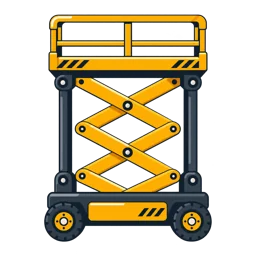
For up-and-over geometry around obstructions or tight approaches, compare /articulating-boom-lift-rental/ or see /boom-lift-rental/ for broader aerial options. Indoor-only vertical work may be better served by /electric-scissor-lift-rental/.