How job geometry sets the baseline
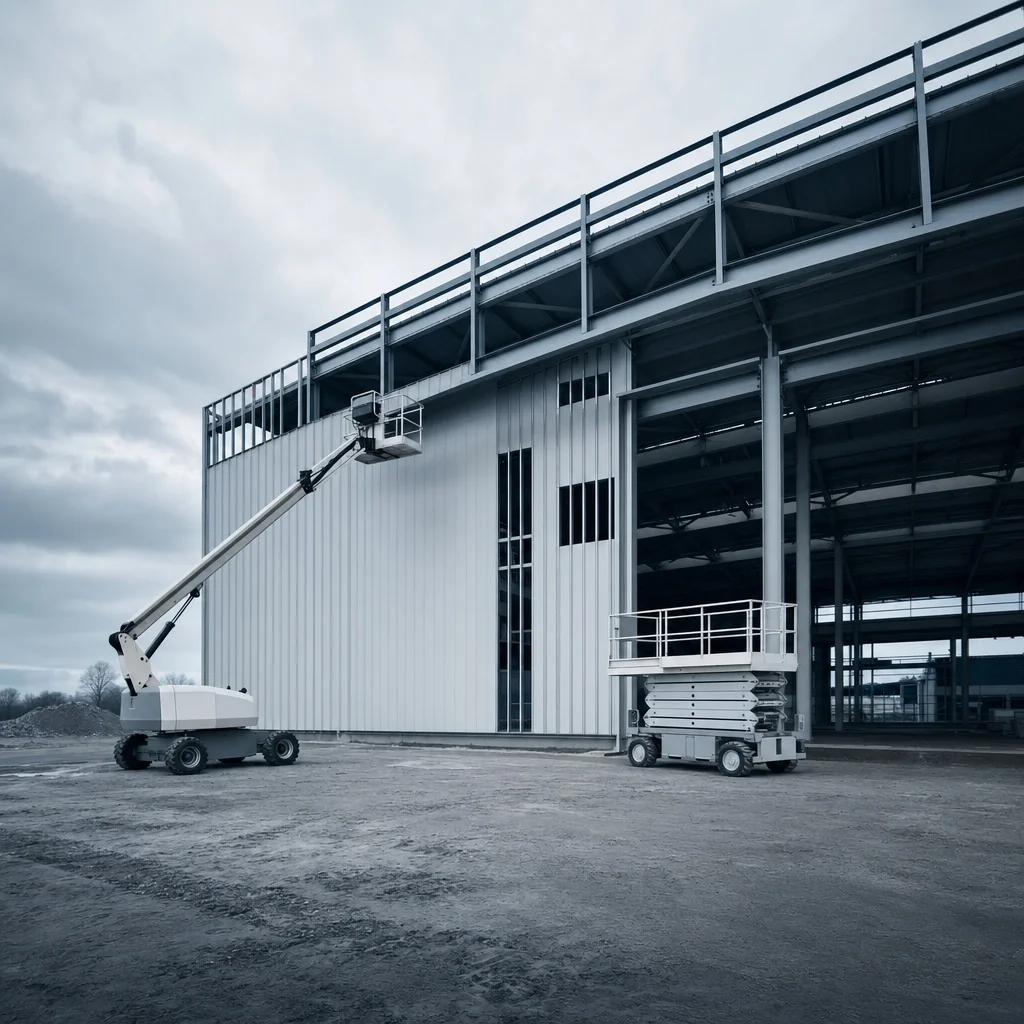
Start with where the platform needs to be: can the machine sit below the task or must it reach over obstacles? For straight, vertical access beneath lighting, sprinklers, or conveyors, slab-rated electric scissor lifts provide compact footprints for aisles and polished floors. When the work sits beyond rebar mats, utility trenches, or grade changes, rough-terrain scissor lifts or boom lifts introduce ground clearance and wider stance.
Why Dallas conditions change the comparison
Local distribution buildings often use taller clear heights, so platform height and fully elevated drive parameters matter. Outdoors, expansive clay soils can heave or soften after storms, reducing surface uniformity. Summer heat also concentrates work windows and may influence battery management and staging locations. These factors push planners to confirm surface ratings for indoor machines and to weigh tire type, gradeability, and stabilization features for exterior units.
Measurements that narrow the field
- Platform height and outreach relative to ceiling systems and racking rows
- Machine width versus aisles, doorways, and slab joints
- Floor loading for mezzanines and older interiors
- Ground firmness, slope, and travel distance on unpaved lots
- Power source compatibility for indoor air quality requirements
Where each category fits locally
- Electric scissor lifts: frequent pick in high-bay interiors and maintenance routes across smooth floors. See /electric-scissor-lift-rental/.
- Rough-terrain scissor lifts: outdoor electrical, steel, and enclosure work on uneven grades. See /rough-terrain-scissor-lift-rental/.
- Boom lifts: overhead access that needs up-and-over reach around utilities or equipment. See /boom-lift-rental/ plus /articulating-boom-lift-rental/ and /telescopic-boom-lift-rental/.
- Supporting gear: telehandlers for material staging (/telehandler-rental/), forklifts for dock work (/forklift-rental/), and site services such as /generators-light-towers-rental/, /temporary-fencing-barricades-rental/, and /storage-containers-rental/.
How this site is organized
Each equipment page starts with geometry, brings in Dallas terrain and weather, and then lists the specs that typically decide between models. When plans change—like shifting indoor tasks to a temporary outdoor bay—use the related links to compare adjacent categories.
Connect with the editor
Questions about a specific application or page? Visit /contact/ to share the job geometry, surface conditions, and access constraints. That context helps point to the right comparison pages.