Choose by reach path
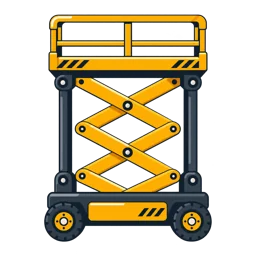
- Straight up on stable slab: electric scissor lift at /electric-scissor-lift-rental/.
- Vertical work on uneven or unfinished grades: rough-terrain scissor lift at /rough-terrain-scissor-lift-rental/.
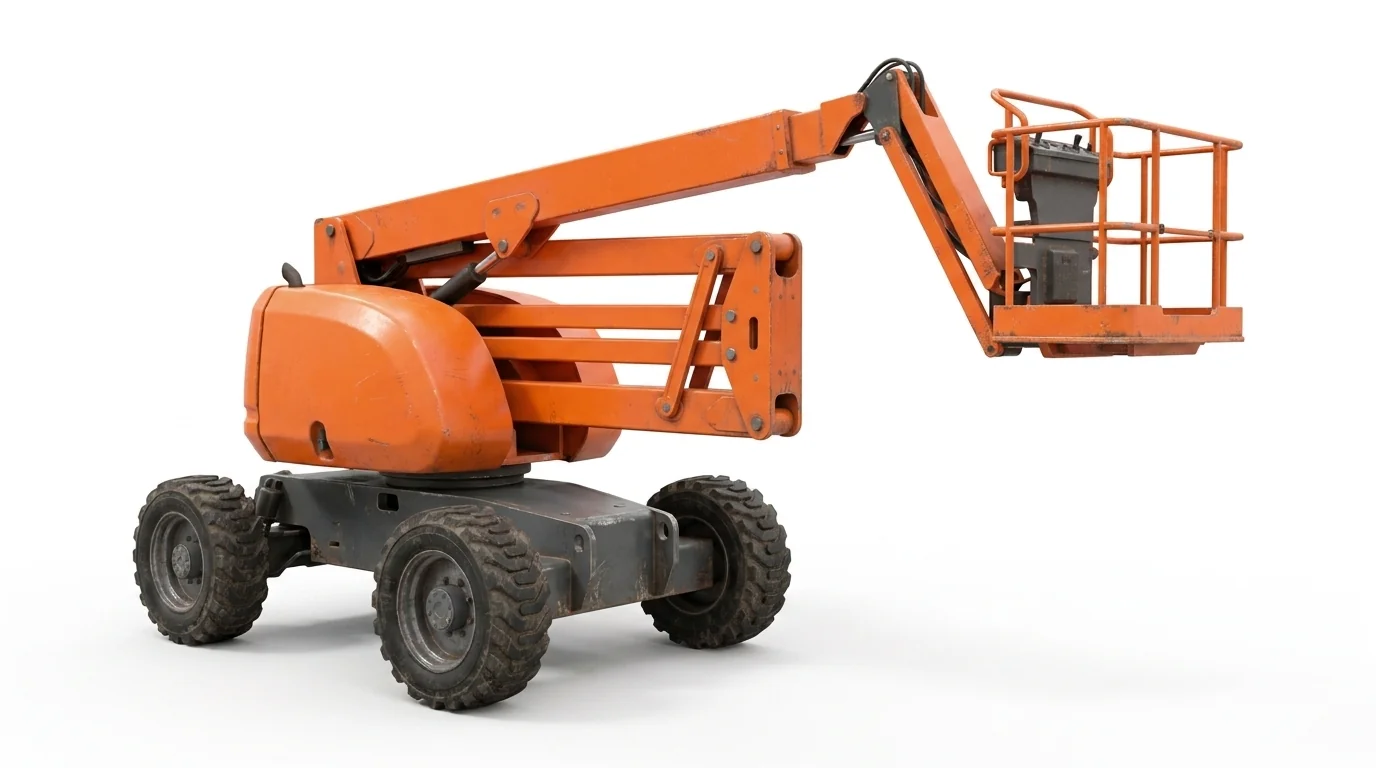
- Up-and-over or around obstructions: consider booms at /boom-lift-rental/.
Dallas-specific factors
- Expansive clay soils and grading transitions affect outdoor access. Rough-terrain chassis and ground clearance reduce stalls on soft or rutted approaches.
- Spring storms and summer heat influence staging and runtime. Plans that allow quick indoor storage limit weather exposure.
Platform size, capacity, and height
- Scissor lifts provide broad platforms for multi-person tasks but move only vertically.
- Articulating booms reach over obstacles and around corners; telescopic booms cover long horizontal distances. Elevated work must follow the selected unit’s instructions and site procedures.
Common local applications
- High-bay maintenance and racking inside logistics facilities.
- Exterior steel, façade work, and electrical routing on multi-structure campuses and industrial sites across the region.
Adjacent equipment
- For very tight indoor picks with minimal footprint, review /vertical-mast-lift-rental/.
- For material placement at height, see /telehandler-rental/ and /forklift-rental/ when applicable to the task.
Keep the comparison specific
A useful equipment discussion starts with the work height, the practical machine position, the route into the area, the floor or ground along that route, and the people, tools, or material involved. Those details clarify whether vertical access, outreach, or material placement is the real constraint.