Articulating vs. telescopic in local conditions
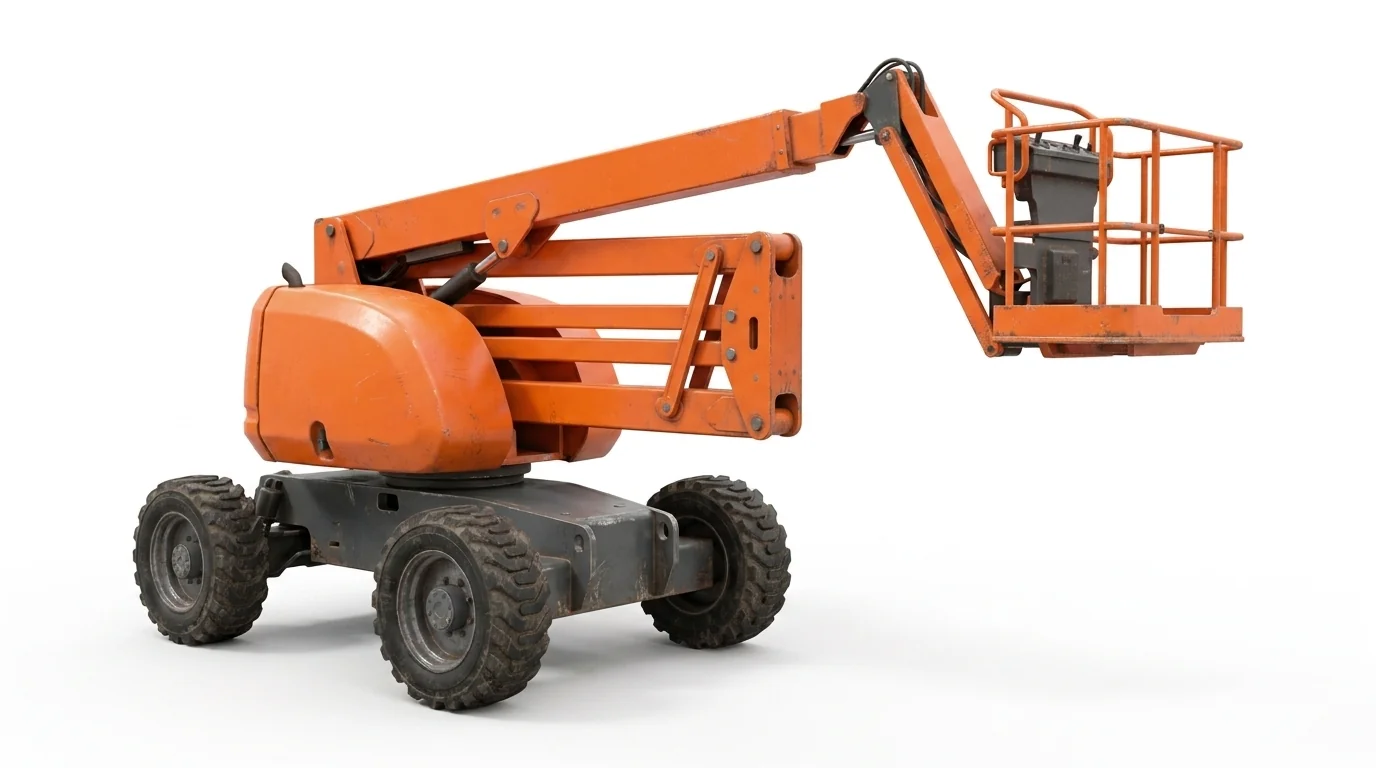
- Articulating booms: jointed sections reach over piping, conveyors, canopies, and façade projections. Useful in tight Dallas interiors or crowded industrial sites.
- Telescopic booms: straight sections deliver longer horizontal reach for exterior steel, signage, and utility corridors.
Ground and exposure considerations
- Outdoor approaches across expansive clay can rut or shift with moisture. Rough-terrain drivetrains and ground clearance help maintain access.
- Open sites amplify wind. Elevated work must follow the selected unit’s instructions, site procedures, and actual conditions.
Height, outreach, and jib geometry
- Define the furthest horizontal point first, then the necessary height to clear obstacles. Jib articulation can fine-tune positioning at the work face.
- Platform capacity and allowable occupants vary by model; confirm against task demands and site documentation.
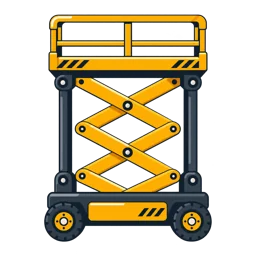
When a scissor lift is a better fit
- If the task sits straight overhead on a finished slab and benefits from a broader deck, compare /electric-scissor-lift-rental/.
- For vertical outdoor work where a wide platform is preferred and outreach isn’t needed, review /rough-terrain-scissor-lift-rental/.
Related categories
- Broader aerial options overview: /aerial-lift-rental/.
- Material placement at height: /telehandler-rental/ and /forklift-rental/ where applicable.
Keep the comparison specific
A useful equipment discussion starts with the work height, the practical machine position, the route into the area, the floor or ground along that route, and the people, tools, or material involved. Those details clarify whether vertical access, outreach, or material placement is the real constraint.