Load, lift, and reach define the class
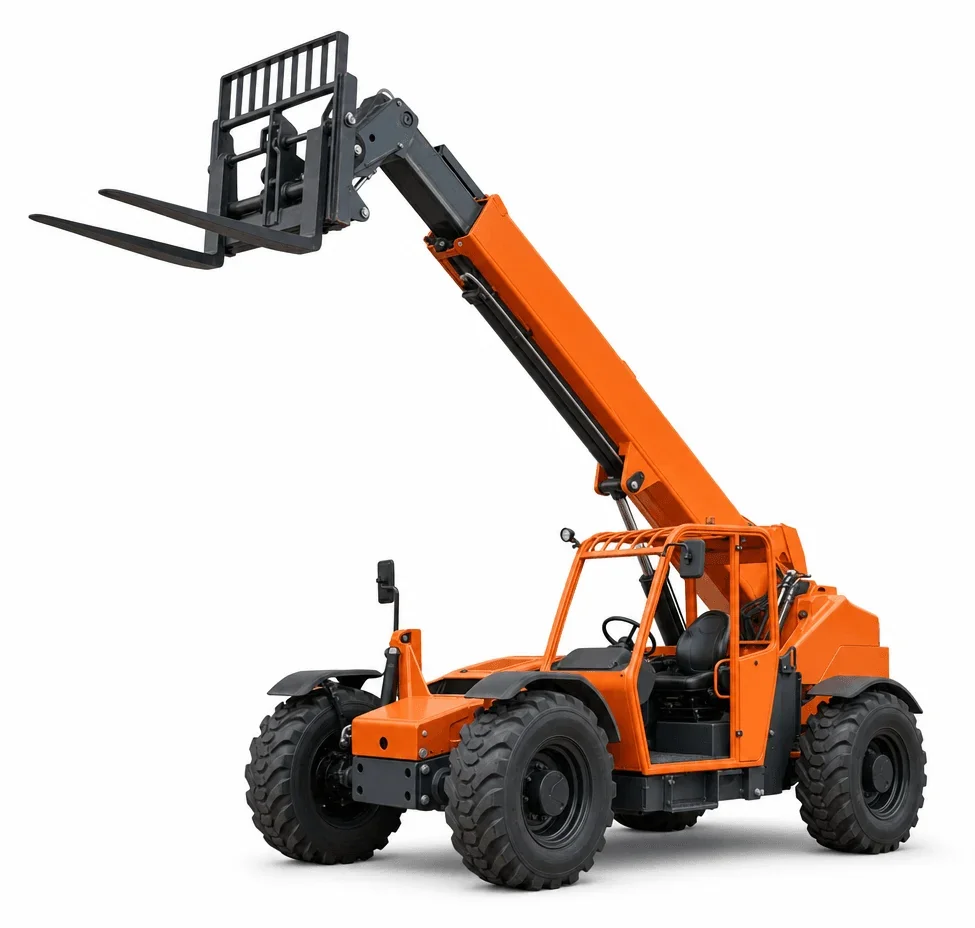
Telehandlers are sized by maximum lift capacity, lift height, and forward reach. On Dallas projects with wide setbacks and multi-level structures, forward reach to the landing point usually narrows the selection fastest. Typical planning inputs: - Maximum load at required reach, not just the machine’s headline capacity. - Fork carriage or attachment width versus pallet size and landing clearance. - Stowed dimensions and turning radius for access through gates and around laydown.
Ground conditions around North Texas sites
Expansive clay soils can feel solid one week and spongy the next after rain or utility work. That affects allowable travel paths, leveling considerations, and how close a machine can position to edge forms or slab edges. Finished concrete yards and interior slabs call for different tires and floor loading checks than graded pads or stabilized base.
Logistics patterns that matter in Dallas
- Local distribution buildings often require repeated runs from exterior laydown to dock doors and then to interior staging. Door height, dock approach slope, and slab rating influence the comparison.
- Industrial and data-related construction tends to stage heavy MEP and equipment pads with limited approach space. Forward reach and precise placement at elevation drive the class decision.
Measurements to bring to the comparison
- Load weight and center of gravity, plus pallet dimensions.
- Required lift height and forward reach to the landing point.
- Access widths, turning space, and any grade changes on route.
- Surface type from parking lot to work face.
For access-only tasks without material placement, review /boom-lift-rental/ or /articulating-boom-lift-rental/. For interior vertical work, see /electric-scissor-lift-rental/ and /vertical-mast-lift-rental/.